Aruba, Dutch Caribbean. Planet Earth.

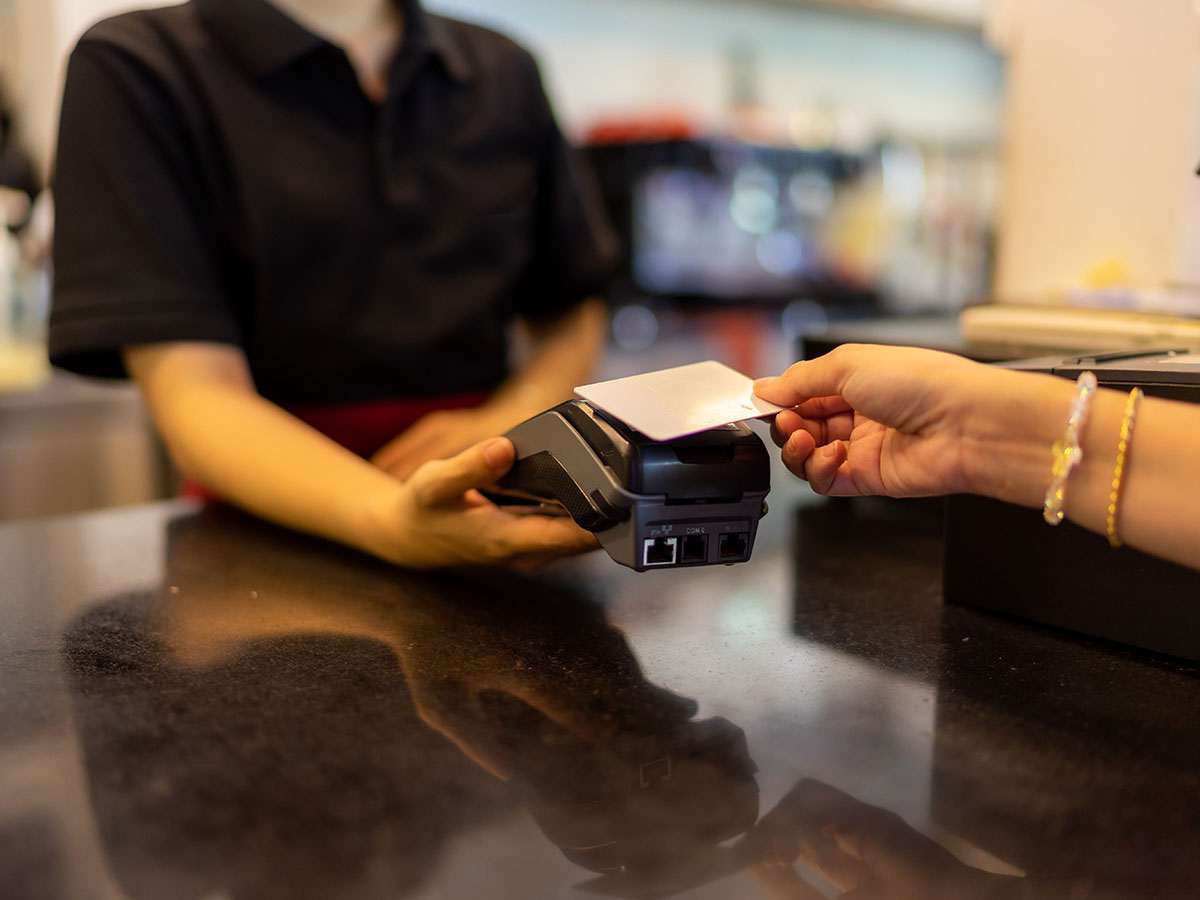
Mastercard’s March 2026 study of 3,558 adults across ten Latin American and Caribbean markets — including Jamaica, the Dominican Republic and Puerto Rico — found that 89% now qualify as digital users, and 68% of the rest say they’re likely to adopt digital payments soon. But the same study found 47% had used cash in the past six months, and 59% say they still need cash at least once a month even when they’d rather pay another way. Debit leads everyday spending at 60%, mostly for groceries, restaurants and phone bills.
Locally, Visa and Mastercard dominate both online and in-person purchases, American Express holds a smaller hospitality niche, and Apple Pay and Google Pay are still rated an emerging, mobile-first option rather than a mainstream one. Buy now, pay later is close to nonexistent here even as it grows fast elsewhere. Mobile commerce, meanwhile, already accounts for roughly 40% of Aruba’s online sales — shoppers are browsing and buying from their phones, even if most aren’t paying with a mobile wallet yet.
This is where most new WooCommerce builds hit a wall. WooCommerce’s own compatibility documentation for its built-in gateway, WooPayments, is blunt about it: “Businesses based in a constituent country of the Kingdom of the Netherlands, such as Aruba and Curaçao, are not currently supported.” Stripe’s own supported-country list doesn’t include Aruba either, and Mollie — a popular choice on Dutch-language sites — restricts its services to companies in the European Economic Area, Switzerland or the UK.
None of this is about creditworthiness. It’s that these platforms built their onboarding around US and EU markets first and haven’t extended it to the Dutch Caribbean, which is exactly why generic advice about Caribbean payment methods rarely maps cleanly onto an Aruba business. The practical result: the “just install the plugin” gateway that works almost everywhere else needs a real substitute here.

The good news is there are real, working options — you just have to choose deliberately instead of defaulting to whatever a tutorial recommends.
Apple Pay and Google Pay are rated an emerging option for Aruba rather than an expected one — worth enabling if your chosen gateway offers wallet buttons at no extra cost, but not worth re-platforming a store to chase. Buy now, pay later is a different story: it has grown roughly 130-fold globally since 2014, and merchants who offer it report meaningfully higher conversion and order values elsewhere. None of that momentum has reached Aruba’s small-business market yet. Add it later if customers start asking by name; don’t build a checkout around it now.

The Aruban florin is pegged to the US dollar at a fixed rate of roughly AWG 1.79 to $1, and US dollars are accepted everywhere in person — but a webshop still has to pick one settlement currency, and most local processors settle in AWG or USD rather than both. Check which currency your gateway settles in before you set your prices.
There’s also I-Pago, the instant bank-to-bank payment system the Centrale Bank van Aruba launched in 2020 with Aruba Bank, Banco di Caribe, CMB and RBC, which clears florin payments between participating banks in five to ten seconds. It isn’t a checkout button on local webshops yet, but as banks extend it to web and mobile use cases, it’s worth watching — it would remove the fraud risk that comes with card-not-present transactions almost entirely.
Here’s where to start turning Caribbean payment methods into an actual working checkout, in order:
An online web design studio based in Aruba, building beautiful and user friendly websites that help your business connect with customers.
★★★★★ 4.8 from 16 Google reviews