Amazon PPC Basics: Your First Campaigns Without Burning Budget

Posted October 7th, 2026 under Amazon

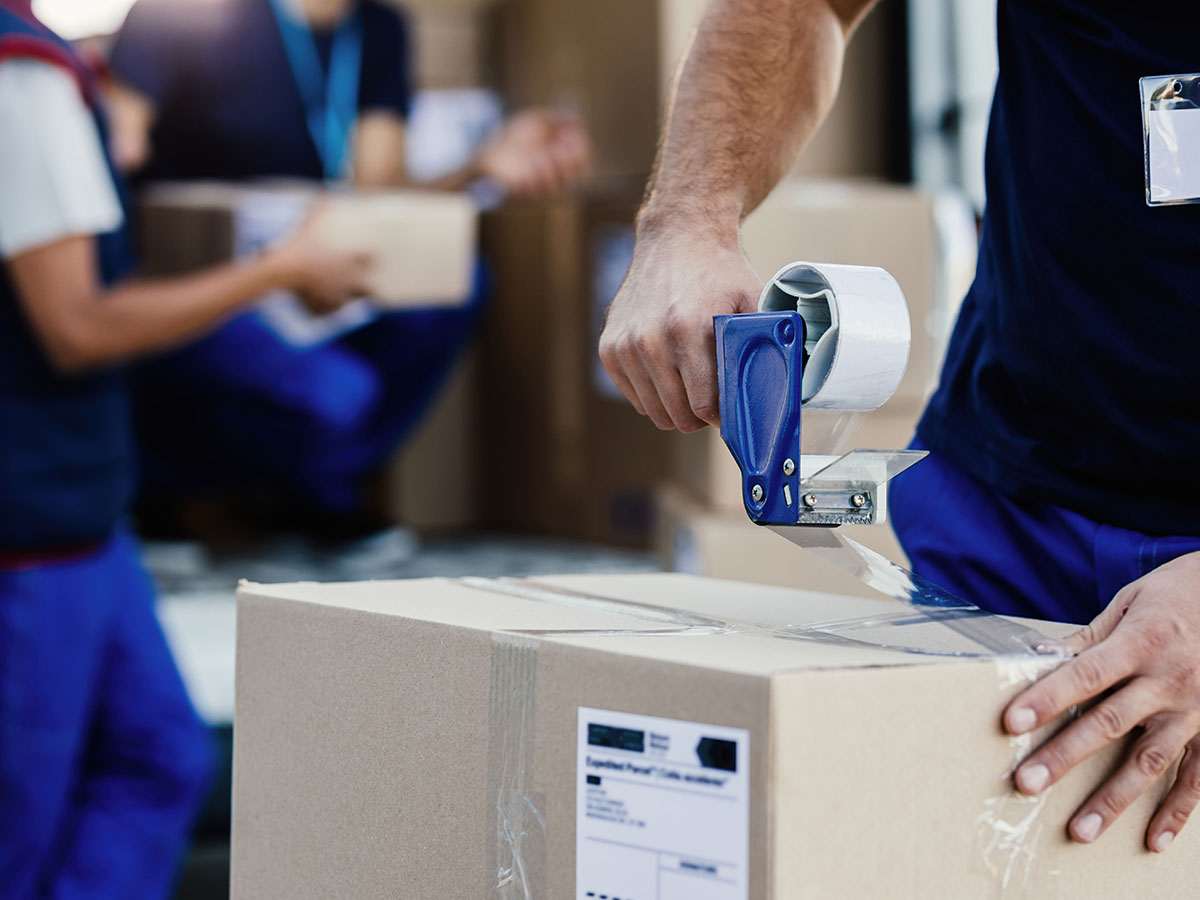
Warehouse worker sealing a packed shipping box with tape

Open Amazon’s advertising console for the first time and the sheer number of settings can scare off a new seller — campaign types, match types, dayparting, placement multipliers. Here is the number that actually matters first: the average Amazon seller wastes 35-40% of their PPC budget, mostly inside the first few campaigns, before anyone sits down to fix it. Amazon PPC basics are not complicated once they are laid out in the right order; most of that waste comes from skipping the order, not from getting any single step wrong.

What should a first Amazon PPC campaign structure actually look like?

Most new sellers launch one campaign and hope. A better starting structure splits the work into three campaigns that each do one job — a system Amazon PPC basics training now teaches as standard:

  • Automatic campaign: Amazon’s own targeting discovers which real customer search terms lead to a sale. Treat it as a data-collection machine, not a sales channel on its own — its job is to surface keywords you have not thought of yet.
  • Broad and phrase manual campaign: once the automatic campaign has run for one to two weeks, pull its best-converting search terms in here to test them with more control over match type and bid.
  • Exact match manual campaign: only your proven converters graduate here. This is the campaign that is allowed to scale, because every keyword in it has already paid for itself once.

The progression matters more than any single setting: launch broad, harvest winners weekly, promote the best performers to exact match, and leave the rest in discovery mode.

How much should a new seller actually budget?

A workable starting point is $20-30 per day per campaign — enough to generate real data inside two to three weeks without guessing. A broader rule of thumb points to 10-15% of a target monthly revenue figure, so a seller aiming for $5,000 a month in sales budgets roughly $500-750 for ads that month. Cost per click varies hugely by how crowded the category is: $0.50-$1.20 in low-competition niches, $2.80-$5.50 in high-competition ones, and $5-$8 or more in the most contested categories. Amazon’s referral and fulfilment fees already take a meaningful bite out of every sale, so an ad budget has to be sized against what is actually left over, not against gross revenue.

Checking inventory before scaling Amazon PPC basics campaigns

Where does beginner ad spend actually leak out?

  • Running automatic campaigns with no negative keywords: this single gap alone accounts for an estimated 20-40% of wasted spend, because the campaign keeps paying for clicks on search terms that will never convert.
  • Setting a bid once and never adjusting it: a bid that looked right on launch day is rarely right three weeks later once real conversion data exists.
  • Skipping a listing-quality check before advertising: a weak main image, thin bullet points or a missing A+ content block makes every click more expensive, because clicks that do not convert are still clicks you paid for.
  • Starting with only broad match and no plan to narrow it: broad match is a discovery tool, not a destination — left alone indefinitely, it just keeps paying for loosely related searches.

What counts as a healthy ACoS for a new listing?

Advertising cost of sale (ACoS) sits at roughly 32.5% across Amazon as a platform average in 2026, up from the 25-30% range only two years earlier, driven mainly by Sponsored Products cost-per-click rising about 34% over that same stretch. That platform number is close to useless on its own, though, because ACoS varies sharply by category — from around 19% in books to 42% in apparel — so the only benchmark worth tracking is your own category’s, not Amazon’s blended average. A brand-new listing in its first 90 days running at 35-50% ACoS is normal, not a failure; that range is expected to tighten as the listing collects reviews and the algorithm learns which searches actually convert.

What changes for a seller running Amazon PPC basics from Aruba?

Every Amazon ad dollar is billed in US dollars regardless of where the seller is based, so the cost-per-click ranges above apply exactly the same whether the account is run from Oranjestad or Ohio — there is no local discount and no local surcharge. What does change is the margin for error: freight, customs and the extra days a shipment from Aruba can take to reach FBA inventory make a tight, well-tracked ad budget more important than it would be for a seller who can restock overnight. Treat the first 30 days of any new campaign as a controlled, small-dollar test rather than a launch to scale from immediately, and keep a close eye on inventory levels before pushing more budget behind a listing that could go out of stock mid-campaign.

Small business owner tracking ad spend and budget notes by hand

A first-30-days Amazon PPC basics checklist

  • Launch one automatic campaign per core product at $20-30 a day and let it run uninterrupted for 10-14 days before touching bids.
  • Add negative keywords weekly from the search term report — this one habit recovers most of the 20-40% that beginner accounts typically waste.
  • Harvest proven search terms into a phrase or exact match campaign rather than leaving everything on automatic indefinitely.
  • Check ACoS against your own category’s benchmark, not the Amazon-wide average, before deciding a campaign is underperforming.
  • Confirm the listing itself is ready — images, bullet points, A+ content — before spending another dollar sending clicks to it.

Talk to 139 Design Studio about the product photography, listing copy and page structure that make Amazon ad clicks actually convert — alongside the website, webshop and hosting support we handle for clients across Aruba.

Sources: GigaBrands — Amazon PPC Cost Guide 2026 · EightX — Average Amazon ACoS by Vertical 2026 · SellerSprite — Amazon PPC Guide 2026