Aruba, Dutch Caribbean. Planet Earth.

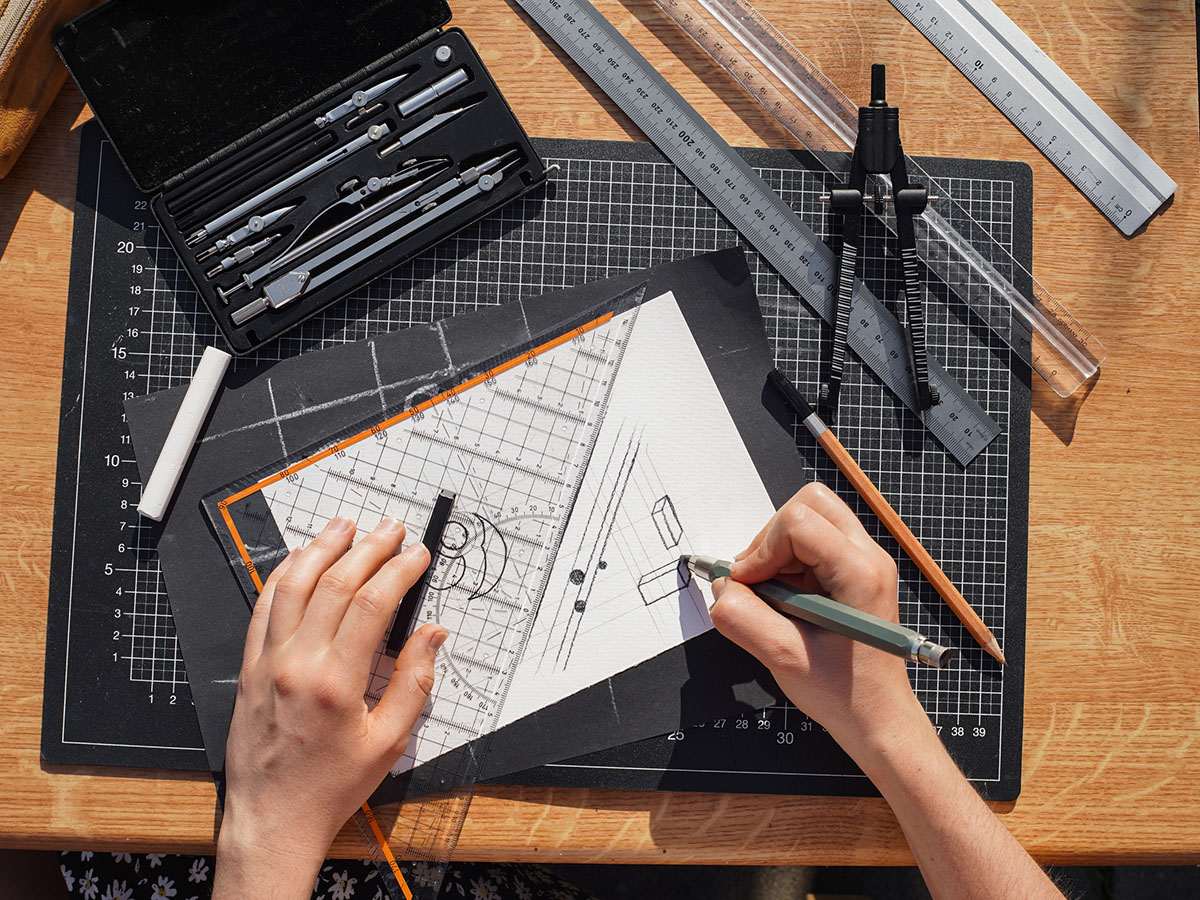
The strongest case for AI image generation is the earliest, cheapest part of a project. Concepting a mood board, testing a visual direction before a client call, or filling a layout with placeholder imagery before real photography is booked all used to mean extra stock licenses or hours of throwaway sketching. A generator that produces a usable rough in thirty seconds changes that math, and it is the one part of the workflow where almost every design team agrees AI image generation earns its keep.
Text is the weak point almost every generator still gets wrong. Signage, labels, a logo wordmark in the background of a scene — most tools garble the letters into something close to language but not readable, with only a handful of specialist tools doing better. That makes AI image generation unreliable for anything where real words need to appear correctly in the final frame. If a brief calls for legible text inside the image, build or photograph it the normal way instead.

Consistency is the second recurring failure. One AI-generated image can look great; ten meant to represent the same product or brand world rarely hold together without manual correction.
This is the part most small businesses skip past, and it matters. The U.S. Copyright Office has held since its February 2023 guidance that copyright requires meaningful human authorship — an image produced entirely from a text prompt generally cannot be copyrighted at all. In the widely cited Zarya of the Dawn case, the Office protected an author’s text and arrangement but refused protection for the individual AI-generated images inside it. As of early 2026, no appellate court had yet ruled on whether training an AI model on copyrighted material counts as fair use, with several lawsuits still open. Tools marketed as “commercially safe,” including Adobe Firefly, train on licensed stock and public-domain material rather than scraped images, which lowers infringement risk but does not by itself hand a business enforceable ownership of the output. Read the actual licensing terms before putting a generated image anywhere a competitor could copy with no recourse.
Disclosure norms are still settling, but the direction is toward more transparency. A business caught passing off a generated image as an original photograph — especially one with real-looking people — risks a trust problem that outlasts the campaign. The safer default is to treat AI image generation the way a studio treats stock photography: a legitimate tool, used openly, for the jobs it is actually good at.
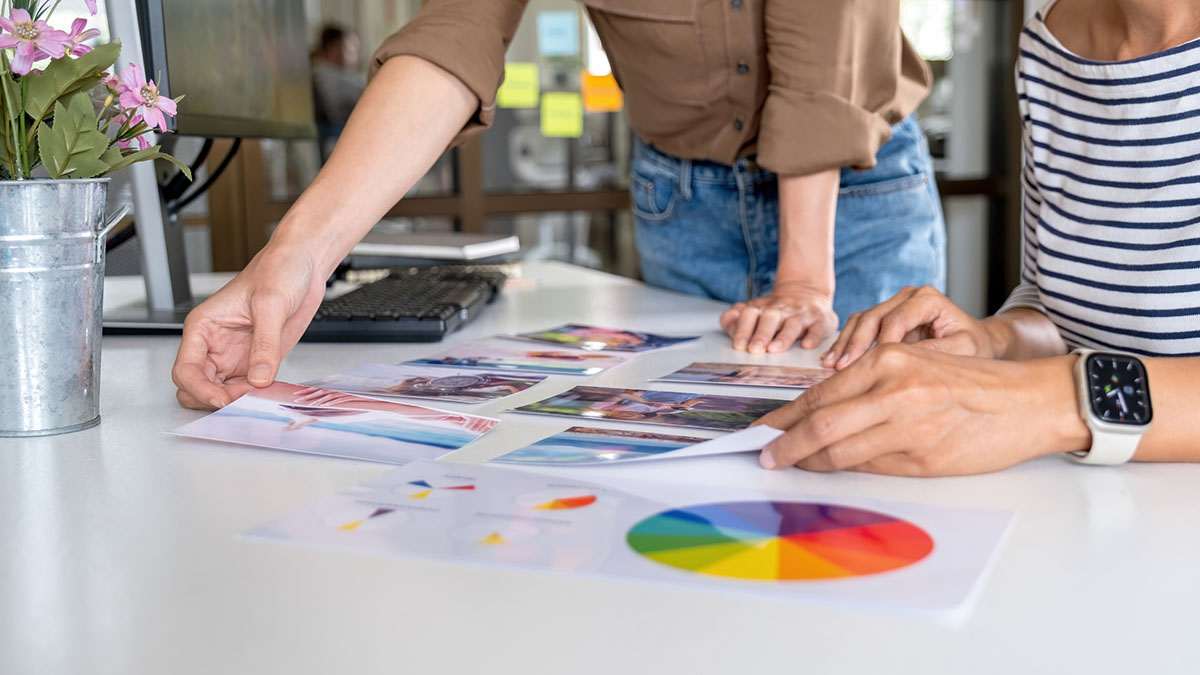
For a small studio or a local business handling its own marketing, AI image generation is genuinely useful in the draft stages — pitch concepts, social filler between real photo shoots, a quick visual to test an idea before committing budget. It is a weaker fit for anything permanent: a logo, packaging, a storefront sign, or print materials that need to run correctly in English, Spanish, Dutch and Papiamento, since the text-rendering problem hits every language equally hard. There is also an ownership angle specific to a small market: a business here leans more on informal use than registered trademarks for day-to-day protection, which makes the shaky copyright status of a purely AI-generated mark a real risk if a local competitor copies it. Let AI handle the drafts, and keep a human designer on anything the brand will actually stand behind. See our earlier piece on writing product descriptions with AI without sounding generic.
A short checklist before an AI-generated image goes out the door:
An online web design studio based in Aruba, building beautiful and user friendly websites that help your business connect with customers.
★★★★★ 4.8 from 16 Google reviews